
The best termite treatment, from chemicals to bait, varies depending on the termite infestation. A professional termite technician can advise on whether chemicals, bait or otherwise is the best type of treatment. The best treatment can differ depending on the building construction type and termite pressure. To find out which is the best treatment for your home, contact your local BASF Accredited Applicators or visit termite-solutions.basf.com.au
General
-
Termite treatment works by Termidor® binding to the soil around the structure and prevents termites getting through the treated zone into the structure. Termidor is a termite treatment that works to provide a long-lasting treatment for your home or building. Over the last 20 years, Termidor has kept hundreds of thousands of Australian homes safe from termites without a single product failure. To find a BASF Accredited Applicator, visit termite-solutions.basf.com.au
-
Each termite treatment or prevention cost varies depending on the size of the property or the construction type. To get a quote on the cost of your termite treatment or termite prevention, find your nearest Accredited Applicator here.
-
Termites are commonly referred to as “white ants,” but they are not actually ants. Termites are a distinct group of insects, more closely related to cockroaches, while ants belong to a different order. Though they may appear similar and exhibit social behaviours, termites have key differences in their structure and life cycle compared to ants.
-
All over Australia. While the coastal belt and northern parts of the country are at highest risk, the subterranean termites that damage timber can be found throughout mainland Australia. There are also termites in Tasmania, but none of the most destructive species are active there.
-
Some do, and they are the ones you are most likely to spot. Every year hundreds of young reproductive termites called alates fly out from established colonies looking to start new ones. If you see any, you need to be aware that your home is more likely to be under threat as it means a colony is close by.
-
Termites are a highly destructive pest and a major cause of costly, disruptive and upsetting damage to homes around Australia. Amazingly, an estimated one in three homes in Australia has been affected by termite damage.
-
Termites are attracted to moisture, so damp conditions – whether in the soil or the structure of your home – can encourage them to move in. Leaks associated with faulty plumbing, broken roof tiles, leaking shower recesses and air conditioning drainage can all cause problems. The soil beneath and around trees, shrubs and garden beds is also likely to contain moisture and organic matter that may allow termites to establish near your home and then gain access through the foundations, expansion joints or other concealed entry points.
-
It’s very difficult know if you have termites and to find termites in a structure. Homeowners will often find termites when renovating or moving items around the home. That’s why it’s important to have a regular, annual termite inspection from a termite professional. To receive a termite inspection from an BASF accredited applicator.
-
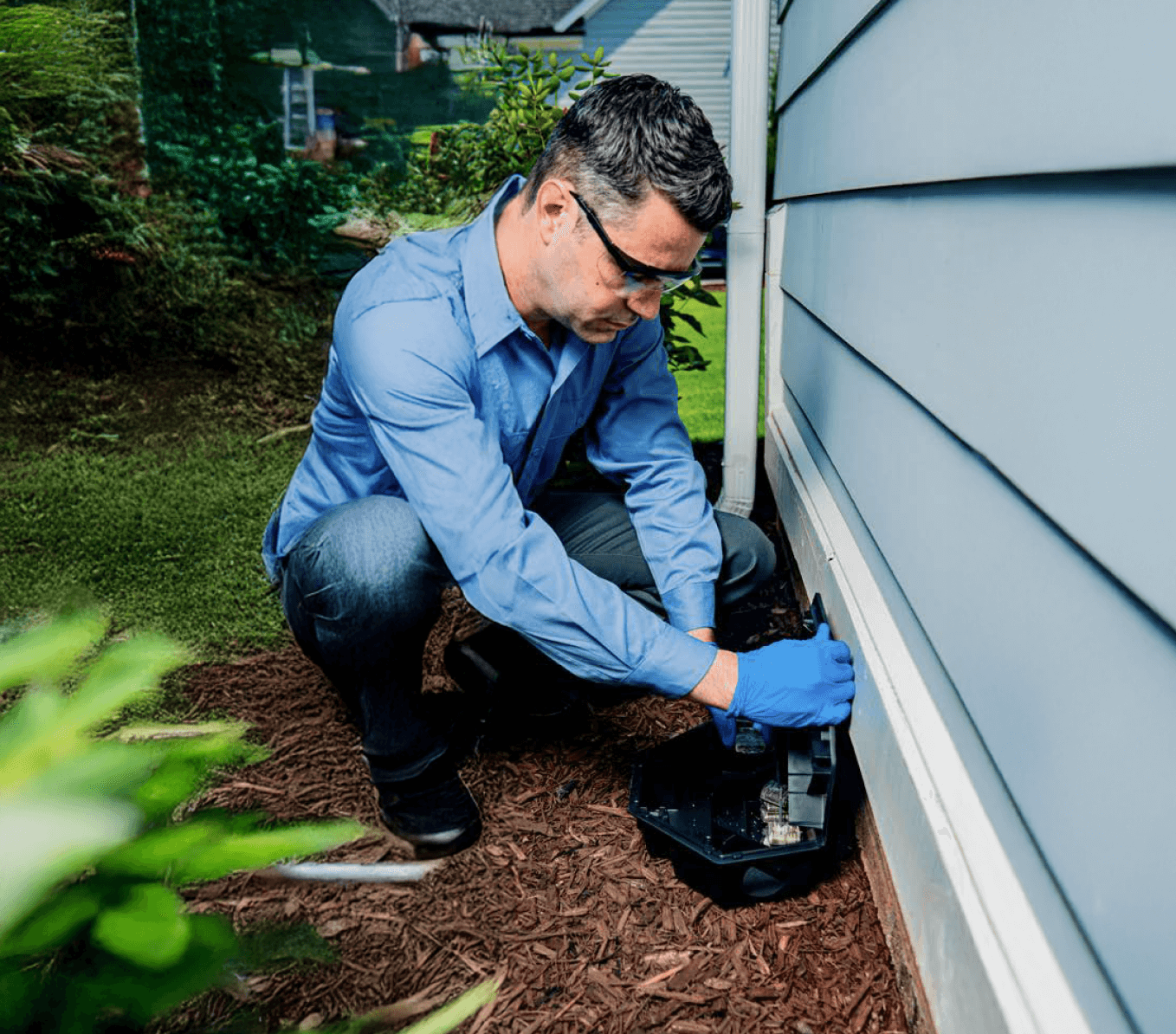
Absolutely. An inspection by an BASF accredited applicator may be enough to confirm it, but even if the inspection finds no termites, it is still important to have preventative protection in place with Trelona® ATBS or Termidor®.
Looking for more answers? Explore our Termite FAQs and Glossary


Looking for trusted advice about termites?
Find a local BASF accredited applicator
Our BASF accreditations cover the entire range of termite solutions including the Termidor and Trelona product ranges.
