
Your Guide to Termite Protection After a Flood
Floods can be enormously disruptive and damaging. If you live in an area where very heavy rain or flooding is common, you may wonder whether an in-ground termite treatment.


Floods can be enormously disruptive and damaging. If you live in an area where very heavy rain or flooding is common, you may wonder whether an in-ground termite treatment.

Termites love damp places with rotting wood, mulch or other organic matter to feast on. If that sounds like your garden, you may want to consider making a few changes.

You probably know a bit about bees and the different roles they have: the queen bee at the heart of the hive with drones to serve her and workers to go out collecting pollen. Termites also have different roles in their colonies, but the organisation is more complicated.
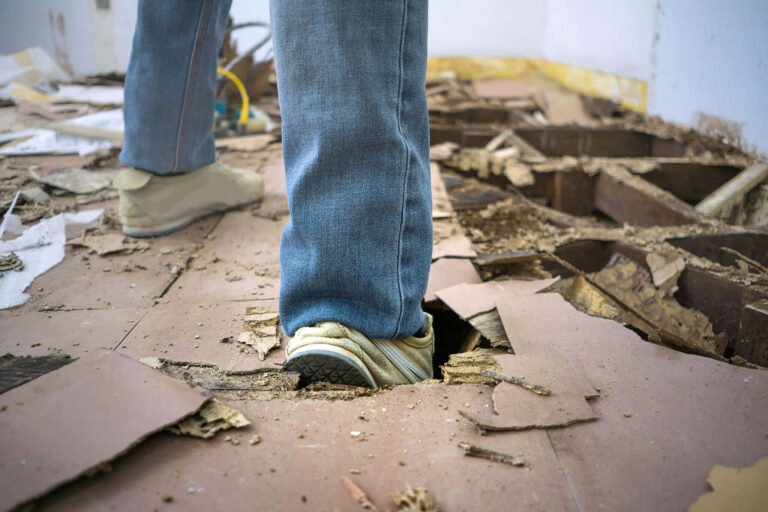
Termites can be particularly harmful because their activity usually isn’t obvious until the damage is substantial. That’s why arranging regular inspections and a protective barrier is so important!
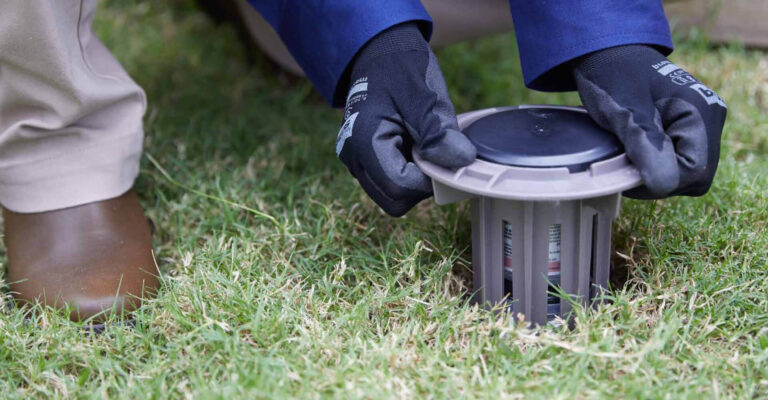
If you’ve booked a pest controller to come and inspect your property for termites, there are a few simple steps you can take to make it as thorough as possible.
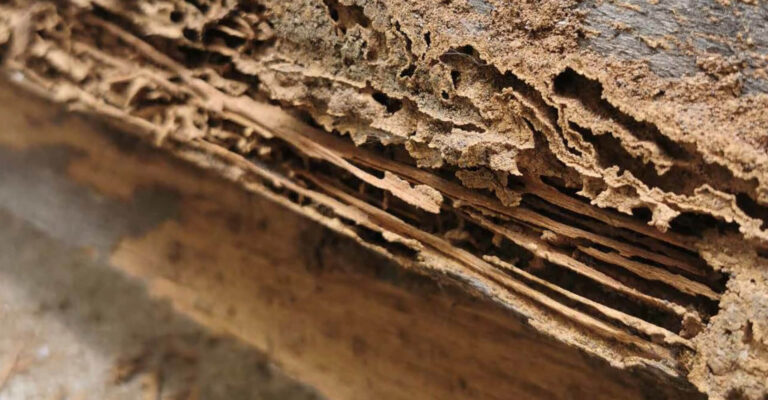
Termites cause more damage to Australian homes each year than fires, floods or storms and, unlike very bad weather, termites can start the destruction without you even noticing.

Quickly determine if termites might be active in your home with our easy self-assessment tool.

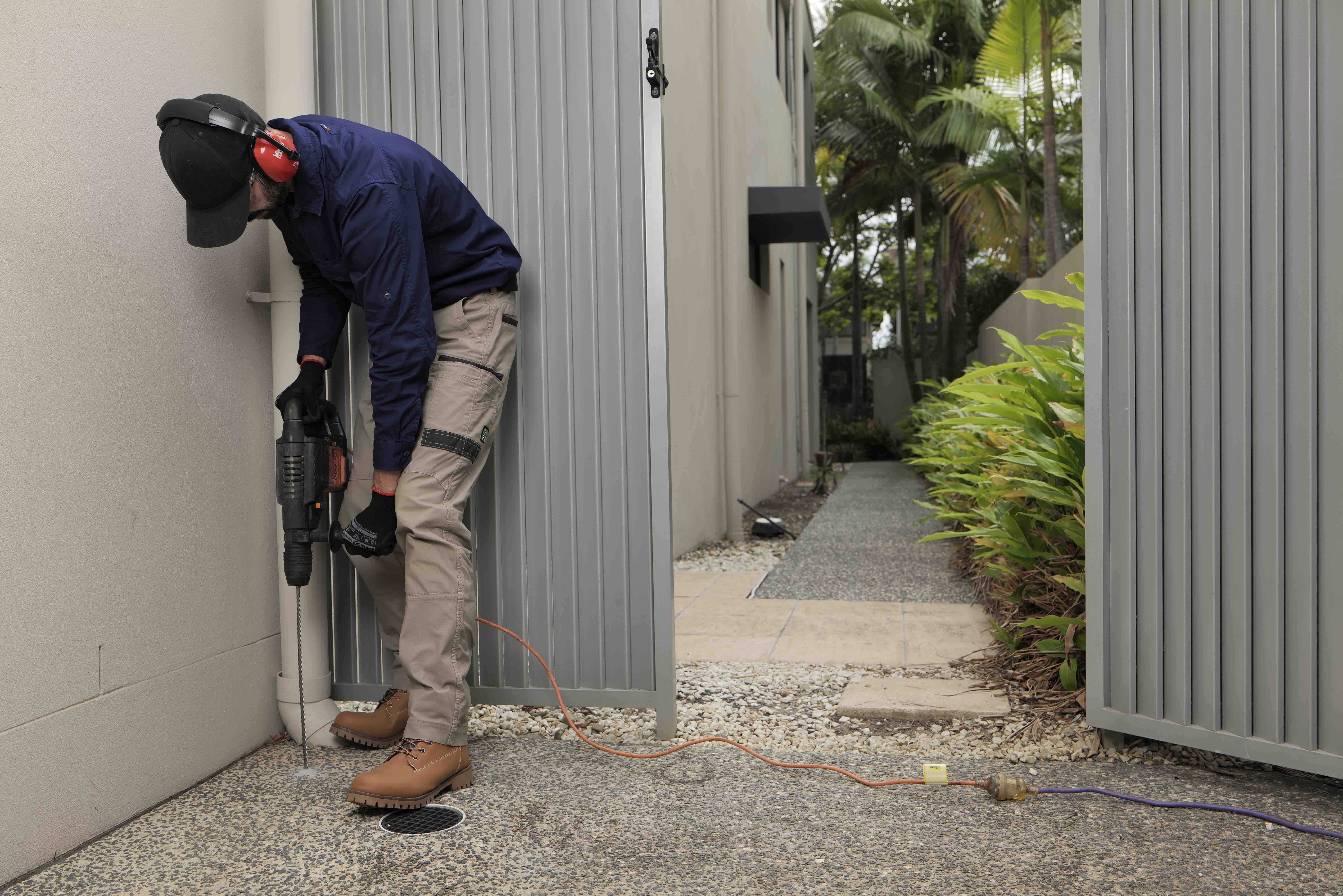

Looking for trusted advice about termites?
Our BASF accreditations cover the entire range of termite solutions including the Termidor and Trelona product ranges.
